4. Data Suppression
#ThresholdEvent #consciousnessculture

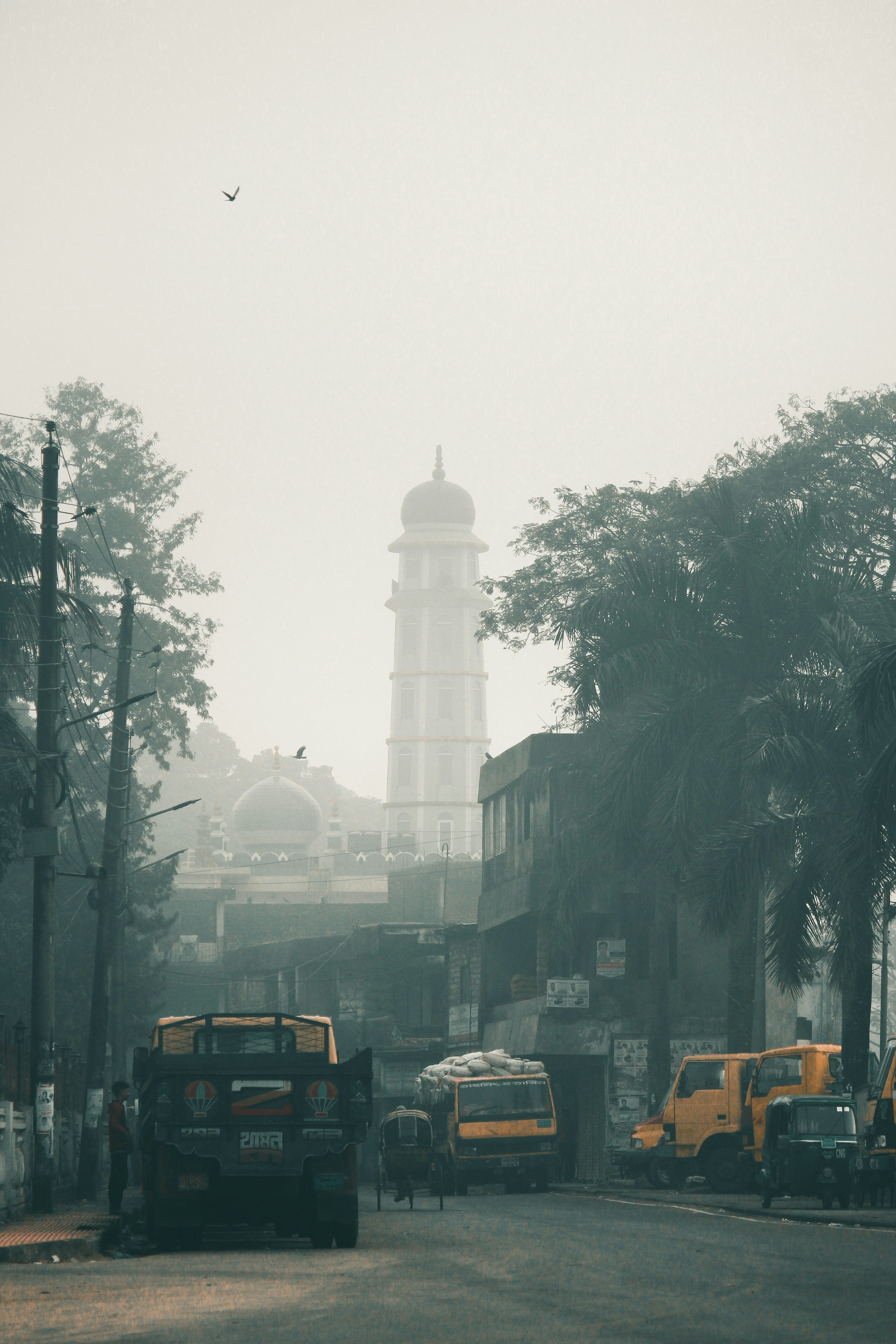
Photo by Rahabi Khan on Unsplash
4. Data Suppression
The air purification system in Rajesh Malhotra’s Delhi study had been running for six hours straight when he heard the sound. Not the customary whisper of sophisticated engineering cycling fifteen thousand cubic metres of toxic atmosphere into what the glossy brochure had promised would be “Alpine-quality breathing air.” This was different. A faint wheeze, like lungs straining against a collapsed ribcage.
He cleared his throat—already raw despite the purifier—and caught a metallic tang that reminded him of the Kanpur slums. Chemical residue mixed with desperation, the same taste that had coated his mouth as a boy watching his father’s lungs dissolve from tannery work. Rajesh had escaped that world through sheer will and scholarships, clawing his way from industrial poison to corporate boardrooms. Just last month, CRY India had sent him a personalised thank-you certificate for his latest donation—five lakhs toward preventing child labour in industrial settings. The charity had mentioned him by name in their quarterly newsletter, recognising his commitment to ‘giving back to vulnerable children.’ He wanted people to understand how far he’d come and that he hadn’t forgotten his humble, tragic childhood.
He checked his Patek Philippe. 11:20 PM. The quarterly environmental compliance review would begin in ten minutes. A necessary fiction to keep international banks mollified and lawyers from sniffing too close to the truth.
The laptop chimed. Dr. Priya Sharma’s face flickered onto the screen from a Queensland site office—harsh fluorescent glare, metal shelving, a background hum of diesel generators. An inkjet-printed piece of paper taped on the wall behind her bore the label Meridian Mine, Queensland.
‘Sir.’ Static fuzzed around her voice, stretched thin across continents. ‘Before the meeting starts, I need to raise something from the latest monitoring report.’
Rajesh kept his eyes on his notes. ‘I trust your assessment confirms we are operating within the agreed tolerance thresholds.’
A pause. Priya glanced off-screen, making sure no-one else was listening. ‘I’m afraid not. The particulate matter readings spiked at eight hundred per cent above safe exposure limits. And the water discharge samples...’ She exhaled slowly. ‘Mercury at twelve times the allowable concentration. Arsenic nearly double that. Sir, it’s far worse than our earlier models suggested.’
Rajesh set down his Mont Blanc pen. The purifier’s wheeze deepened, as though responding to his rising blood pressure. ‘Dr. Sharma. Those numbers can’t be correct.’
‘I’ve run them three times, sir. Different sampling points, different laboratory protocols. The results are consistent.’
Consistent. The word hung between them like an accusation. Rajesh remembered being eight years old, standing beside his father’s hospital bed in Kanpur General, listening to the doctor explain how leather tannery chemicals had systematically destroyed lung tissue. Consistent exposure, the doctor had said. Consistent deterioration. I’m afraid the damage is irreversible.
‘Sir?’ Priya’s voice cut through the memory. ‘The board meeting is about to begin. If they request environmental compliance data—’
‘The board will receive exactly the information they require.’ Rajesh reached for his water glass, surprised to find his hand trembling slightly. ‘Dr. Sharma, your employment contract includes specific confidentiality provisions. Expensive ones.’ He glanced at her and was surprised to see that she looked angry.
Additional windows began opening on his screen as board members joined the call—faces materialising from Mumbai, London, Singapore. Priya remained in her corner window, her eyes down, composing herself.
‘Gentlemen,’ Rajesh began, forcing his voice into the smooth register that had carried him from the slums to corporate boardrooms. ‘I’m pleased to report exceptional progress in our coal procurement operations. The railway test is proceeding in a few hours from now. First commercial shipments within the week.’
‘Rajesh,’ interrupted a voice from London—Sir Charles Weatherby, whose family fortune had been built on Bengal jute mills. ‘We’re receiving rather troubling reports about operational irregularities. Our insurers are asking pointed questions. This won’t do at all, you know. We’ve got to appear completely above board, as I’ve told you time and again.’
‘What sort of irregularities?’ Mumbai’s representative leaned closer to his camera.
‘Equipment failures, mainly. But the pattern appears... systematic. You said you were going to make sure this looks spotless.’
The wheeze from his purifier pulsed in rhythm with his heartbeat now. Rajesh opened his mouth to refute these concerns, but what emerged was a harsh cough that tasted of coal dust and industrial solvent. The same taste that had haunted his childhood nights.
Through the laptop camera, he watched the board members’ expressions shift from polite attention to concern.
‘Should we reschedule?’ suggested Singapore.
Rajesh tried to speak, tried to summon the authority that had built his career one strategically planned step at a time, but his throat seized. His fingers fumbled across the keyboard, desperate to maintain control.
Behind the video call interface, his email application opened of its own accord, the computer’s Finder scrolled through documents he hadn’t accessed. His fingers weren’t touching the keyboard, yet data flowed into an email like water finding its own level.
Dr. Sharma’s environmental report—the one he’d just instructed her to suppress—attached itself to the new message. The address field populated automatically: the entire board distribution list, senior partners at their law firm, the environmental ministry compliance office, and Aruna Krishnan at The Hindu—that relentless woman who’d spent three years documenting his tax arrangements.
The message sent with a soft chime.
When he finally managed to close the video call, gasping and humiliated, his sent folder displayed a message he hadn’t written. Dr. Sharma’s unexpurgated data, accompanied by text he’d never composed, had already pinged into inboxes across two continents.
Read receipts chimed into his inbox. Thirty years of careful positioning. Eleven billion dollars in contracts. All of it reduced to digital evidence that was probably being fact-checked at this very moment. His computer put itself to sleep while he struggled to stop coughing.
Rajesh stared at his reflection in the darkened laptop screen, watching a man who looked disturbingly like his dying father. The air purifier continued to wheeze, and he tasted the poison he’d spent his life learning to sell.
In her Queensland site office, Dr. Priya Sharma quietly saved her report to the secure server. Her internet connection lagged strangely as she logged out, but she dismissed it as Queensland’s shoddy broadband. She had no idea that her carefully documented evidence was already being formatted into headlines that would appear in tomorrow’s business pages.